01FORMULATION / CONTEXT
PRODUCT FEATURES & INGREDIENTS

Understand what the label says.

Powder drain cleaners are commonly designed around alkaline chemistry, wetting agents or other formula-specific components. Below we explain how these ingredient families can function, what they are intended to address and what a buyer should verify on the actual package. Exact contents and concentrations are determined by the manufacturer.

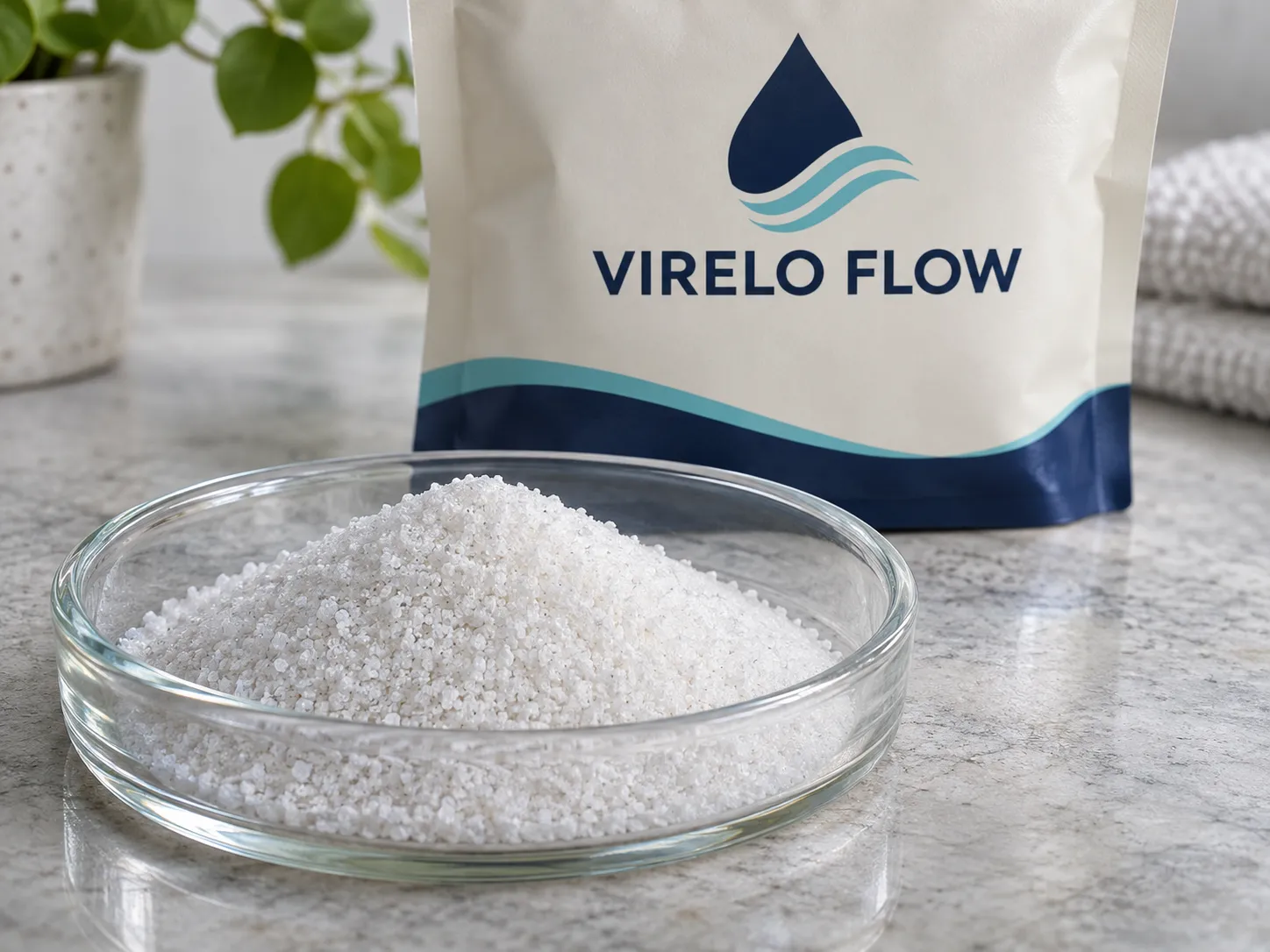
Close-up view of household drain cleaner powder in a controlled product setting
02INGREDIENT INFORMATION
FORMULATION / TECHNICAL CONTEXT

What's inside a powder cleaner?

Powder drain cleaners use different chemistry depending on their purpose. The examples below describe ingredient types found across this product category; they are not a verified declaration for this particular package.

Read the actual formulation

Before use, check the ingredient statement, hazard symbols and directions printed on the supplied pack. Chemical identity, percentage, dose and pipe compatibility cannot be confirmed from a photograph.

01 / Strong alkaline agentsSodium hydroxide

Used in some caustic drain cleaners to attack fatty and organic deposits. Highly corrosive; its presence must be confirmed on the label.

02 / Alkaline buildersSodium carbonate

A common builder in powdered cleaning formulations; adjusts alkalinity and may support grease and residue removal.

03 / Cleaning assistantsSurfactants

Some formulas use wetting ingredients to help water reach deposits and loosen oily soil from surfaces.

04 / Oxidising systemsFormula-dependent

Certain powdered cleaners use oxidising components. Their presence, hazards and compatibility vary and cannot be assumed.

05 / Physical presentationDry granules or powder

Dry packaging supports measured handling, but texture alone does not identify ingredients or determine safe use.

06 / Typical purposeHousehold drain deposits

Product families may be intended for grease, soap film or selected organic residues rather than solid foreign objects.

07 / How action differsAlkali, wetting or oxidation

Actual chemistry governs whether deposits are softened, broken down or dispersed. Results depend on the obstruction.

08 / Material suitabilityLabel-specific approval

Plastic, metal, seals and connected fittings can have different restrictions for different products and conditions.

09 / Safe storageOriginal sealed container

Follow moisture, child-access and temperature precautions given for the supplied formulation.

10 / ConcentrationManufacturer disclosure

A familiar ingredient name does not reveal its proportion, strength, hazard classification or working concentration.

11 / Application valuesUse the package directions

Quantity, water instructions, contact time and subsequent steps vary and should never be inferred from another cleaner.

12 / Safety documentationWarnings and first aid

Read precautionary statements and first-aid guidance before opening. Never mix with other household chemicals.

03FEATURES EXPLAINED
POWDER / HOME CARE

What the formula can—and cannot—do.

Alkaline products often work by contacting deposits on drain surfaces. In suitable formulations, active ingredients can interact with fatty material while wetting agents help the mixture reach residue. Neither a powder texture nor the word “drain cleaner” means the product will remove a solid obstruction or repair damaged pipes.

Physical format

A dry powder can be packaged in a resealable pouch or other moisture-resistant container. How it reacts when used is determined by its actual ingredients, not its colour or grain size. Examine the label for product-specific handling guidance.

Intended location

Common household concerns include greasy kitchen deposits, soap residue around bathroom fittings and slow water flow. Hair masses, foreign objects and structural damage may require mechanical assessment rather than chemical treatment.

Handling requirements

Strong alkaline cleaners can cause serious skin or eye injury. Keep the package sealed and away from children and pets, follow the protective measures shown on the label and never combine chemicals.

01 / CONTACTReaching the deposit

Wetting and flow influence which parts of a drain are exposed to a cleaning formulation.

02 / CHEMISTRYWorking on residue

Depending on its ingredients, a cleaner may interact with fats or other organic deposits. Reaction strength varies.

03 / LIMITSNot a mechanical repair

Mineral scale, tree roots, jewellery and solid obstructions may not respond to chemical cleaning.

04 / FOLLOW-UPDirection-led handling

Any rinsing, repeat use or disposal decision must follow the supplied product label.

04MATERIALS CHECK
COMPATIBILITY / REVIEW

Materials deserve a second look.

Compatibility is a combination of chemical strength, contact time, local temperature, plumbing material and the condition of joints and seals. Some commercial alkaline drain cleaners specify use with certain plastics or metals, while other formulations carry restrictions for those same materials. The actual product label is the deciding reference.

Use the checklist to identify what needs verification before treatment. A slow drain can also indicate a displaced fitting, a physical blockage or a problem further along the system; where the cause is uncertain, consider a plumbing professional.

PVC and ABS

Check whether PVC and ABS are specifically listed. Concentrated reactions can create heat, and joints or older plastic sections deserve extra caution.

Copper

Review instructions covering copper pipework, solder joints and mixed-metal connections. Do not assume a cleaner suitable for plastic is suitable for every metal.

Cast iron

Older cast-iron drains can have rough interiors or corrosion. Confirm any manufacturer restrictions and consider the mechanical condition of the pipe.

Fixtures and seals

Rubber seals, plated drains, composite fittings, garbage disposals and connected appliances may have separate limitations.

05SAFETY / STORAGE
HANDLE WITH CARE

Read before opening.

The product label is where specific protective measures and safe storage instructions belong. General household practices do not replace those directions.

Keep the label

Retain the original package so the manufacturer’s directions and warning information remain available.

Avoid mixing products

Do not combine drain-treatment products or other household chemicals; incompatible mixtures can be hazardous.

Store securely

Keep chemicals in their original containers and out of reach of children and pets.

06NEXT / USE GUIDE
AN IMPORTANT FOLLOW-UP

Know the instructions before the application.

Review the step-by-step guidance and confirm any product-specific values on the label before handling the powder.

How to Use & Dosage